
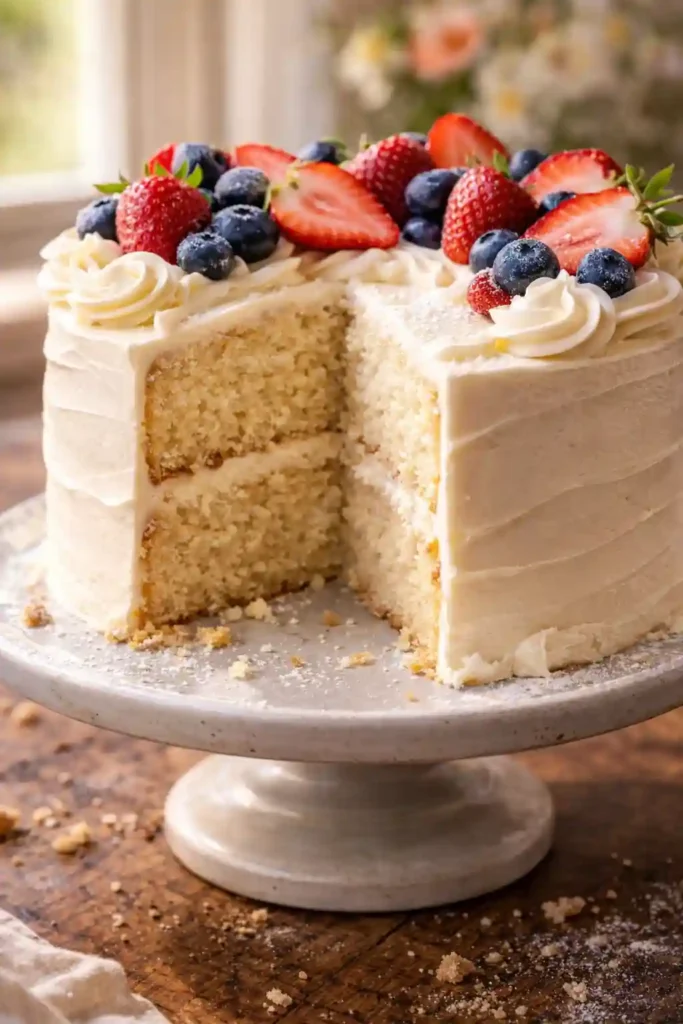
You want to bake a cake… but there’s one problem. No eggs at home. Or maybe you don’t eat eggs at all. And every recipe you see feels too complicated or just doesn’t work.
So you end up thinking—can I even make a soft, fluffy cake without eggs?
Yes, you absolutely can.
This eggless cake recipe is soft, moist, and full of flavor. It is so simple that even beginners can get it right on the first try. No fancy tools. No hard steps.
Just a few basic ingredients and a simple method that works every time.
The best part? It tastes just like a bakery cake. Light, fluffy, and perfect for any occasion.
WHAT IS THIS RECIPE?
This is a simple homemade eggless cake made without eggs but still soft and fluffy.
Instead of eggs, we use ingredients like milk, yogurt, or baking soda to help the cake rise and stay moist.
It’s a basic sponge-style cake that can be enjoyed plain or decorated with frosting, cream, or fruit.
What makes it special is the texture. Even without eggs, it stays light, soft, and delicious.
Perfect for birthdays, tea time, or when you just want something sweet at home.
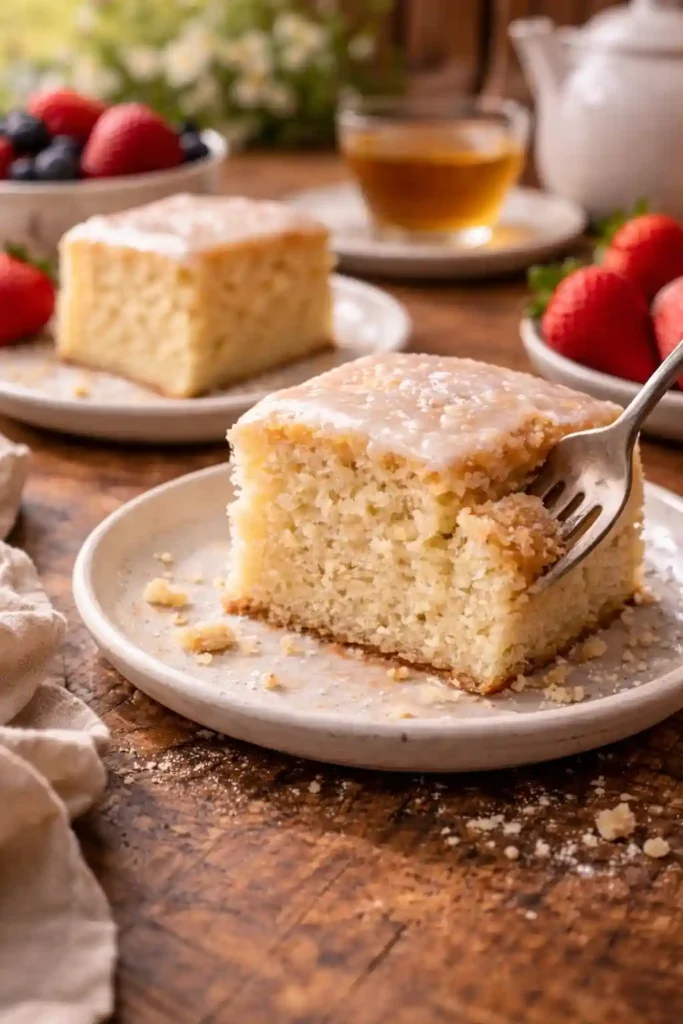
WHY YOU WILL LOVE THIS RECIPE
- No eggs needed: Perfect for egg-free diets or when you run out of eggs.
- Super soft texture: Light, fluffy, and moist in every bite.
- Easy ingredients: Everything is already in your kitchen.
- Beginner-friendly: No advanced baking skills required.
- Budget-friendly: Cheap and simple to make.
- Versatile base: Can be used for frosted cakes or plain tea cake.
Here’s where most people get this wrong… they overmix the batter and make the cake dense instead of fluffy.
INGREDIENTS (DETAILED)
- 1 ½ cups all-purpose flour – This gives structure to the cake. You can also use half wheat flour for a healthier version.
- 1 cup sugar – Adds sweetness and helps with texture.
- 1 cup milk – Keeps the cake soft and moist. You can use plant-based milk for vegan option.
- 1/3 cup oil – Makes the cake tender and prevents dryness. Oil works better than butter here.
- 1 tsp vanilla extract – Adds flavor and aroma.
- 1 tbsp vinegar or lemon juice – Helps the cake rise without eggs.
- 1 tsp baking soda – Works with vinegar to create air bubbles.
- 1 ½ tsp baking powder – Helps the cake become fluffy.
- A pinch of salt – Balances sweetness and enhances flavor.
Tip: Always sift dry ingredients for a smoother batter and softer cake texture.
HOW TO MAKE (STEP-BY-STEP)
- Start by preheating your oven to 180°C (350°F). Grease and line your cake pan with parchment paper. This helps the cake come out easily later. In a large bowl, add sugar and milk. Mix until the sugar starts to dissolve. The mixture should look slightly smooth and sweet. Then add oil and vanilla extract. Stir gently until everything looks combined and creamy. This is your wet base, and it should feel light and smooth.
- In another bowl, sift together flour, baking powder, baking soda, and salt. This step is important because it adds air and removes lumps. Slowly add the dry ingredients into the wet mixture. Stir gently using a spatula. The batter should look thick but smooth and slightly creamy. Do not overmix. Overmixing can make the cake hard instead of soft. Stop as soon as you see no dry flour.
- Add vinegar or lemon juice to the batter and give it a gentle mix. You will see small bubbles forming. This is a good sign—it means the cake will rise. The batter should now look light and airy. Pour it into the prepared cake pan. Tap the pan lightly on the counter to remove air bubbles. This helps the cake bake evenly and smoothly.
- Bake the cake for 30–35 minutes or until the top looks golden and a toothpick comes out clean. While baking, the cake will rise and fill your kitchen with a sweet aroma. Once done, let it cool for at least 15–20 minutes before removing from the pan. The cake should feel soft, springy, and light when touched. Slice only after it cools completely.
This small trick makes a huge difference… letting the cake cool properly keeps it soft and prevents breaking.
PRO TIPS
- Always sift flour for a light and fluffy texture.
- Do not overmix the batter or cake will become dense.
- Use room temperature milk for better mixing.
- Add vinegar or lemon juice just before baking.
- Preheat oven properly for even baking.
- Tap pan to remove air bubbles before baking.
- Check cake with toothpick before removing.
- Let cake cool completely before slicing.
- Use oil instead of butter for extra moisture.
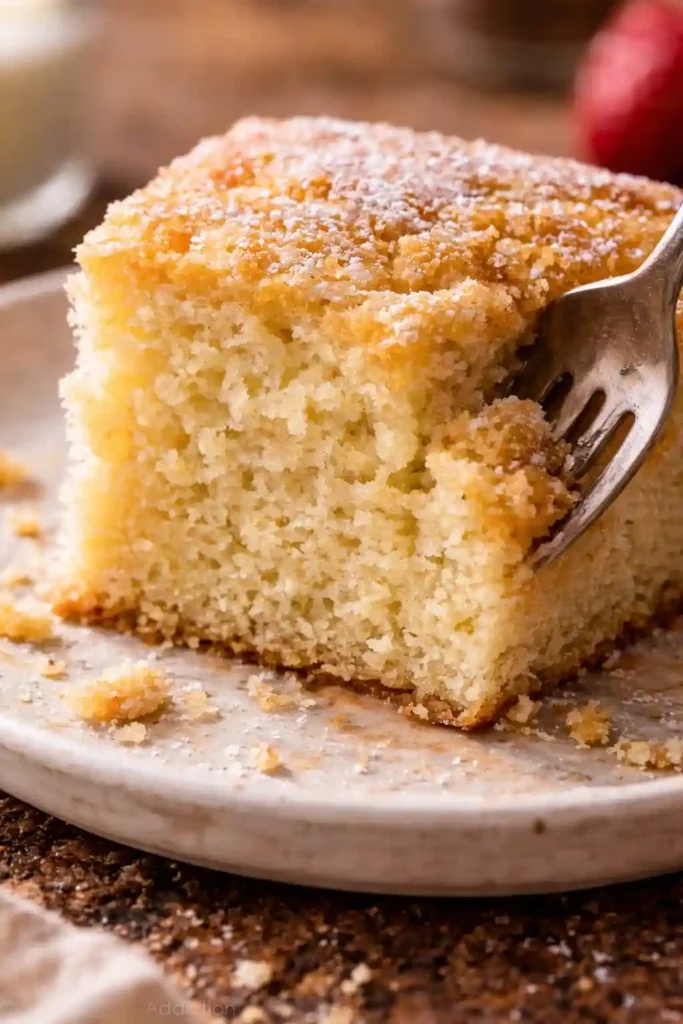
COMMON MISTAKES TO AVOID
Using too much flour makes the cake dry. Overmixing batter makes it dense instead of fluffy. Skipping baking soda or vinegar stops proper rising. Not preheating oven leads to uneven baking. Opening oven too early causes sinking. Using cold milk affects texture. Not sifting flour creates lumps. Overbaking makes cake hard. Cutting cake while hot breaks structure. Wrong measurements ruin texture.
VARIATIONS / CUSTOMIZATION IDEAS
Now let’s make it even better…
- Vegan version: Use plant milk and skip dairy completely.
- Chocolate eggless cake: Add cocoa powder for rich flavor.
- Fruit cake: Add chopped apples or bananas.
- Quick version: Use ready cake mix and adjust liquids.
- Healthy version: Use wheat flour and less sugar.
SERVING IDEAS
Serve plain with tea or coffee for a simple treat. Add whipped cream or chocolate frosting for parties. You can also top with fruits like strawberries or bananas for extra freshness.
STORAGE & REHEATING
Store in an airtight container at room temperature for 2 days or in the fridge for up to 5 days. To reheat, warm a slice in microwave for 10–15 seconds to bring back softness.
NUTRITION FACTS (APPROXIMATE)
- Calories: 220 per slice
- Carbs: 34g
- Fat: 8g
- Protein: 4g
QUICK SUMMARY
- Soft eggless cake recipe
- No eggs needed
- Easy and beginner-friendly
- Moist and fluffy texture
- Perfect for any occasion
WHEN TO EAT THIS
This cake is perfect for busy mornings when you want something quick and sweet. It’s great for tea time snacks, birthday treats, or late-night cravings when you want comfort food.
Once you try it… you won’t believe it’s eggless.
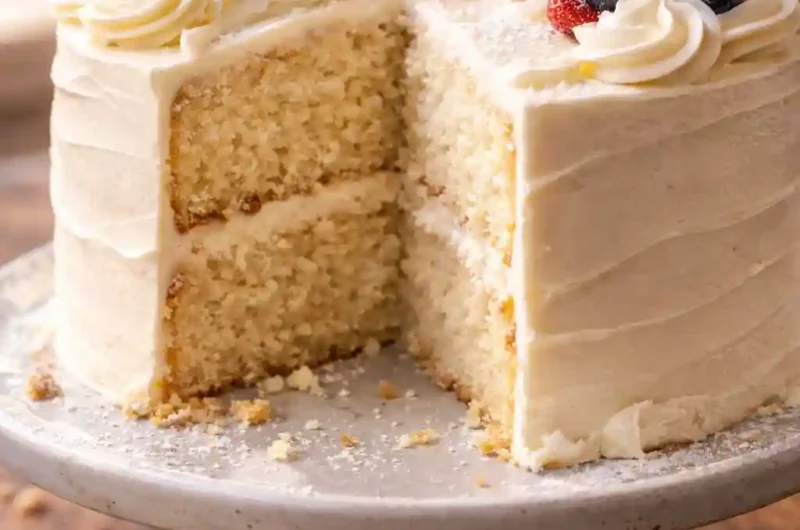
Soft & Fluffy Eggless Cake Recipe That Melts in Your Mouth
4
servings30
minutes40
minutes300
kcalIngredients
1 ½ cups all-purpose flour – This gives structure to the cake. You can also use half wheat flour for a healthier version.
1 cup sugar – Adds sweetness and helps with texture.
1 cup milk – Keeps the cake soft and moist. You can use plant-based milk for vegan option.
1/3 cup oil – Makes the cake tender and prevents dryness. Oil works better than butter here.
1 tsp vanilla extract – Adds flavor and aroma.
1 tbsp vinegar or lemon juice – Helps the cake rise without eggs.
1 tsp baking soda – Works with vinegar to create air bubbles.
1 ½ tsp baking powder – Helps the cake become fluffy.
A pinch of salt – Balances sweetness and enhances flavor.
Directions
- Start by preheating your oven to 180°C (350°F). Grease and line your cake pan with parchment paper. This helps the cake come out easily later. In a large bowl, add sugar and milk. Mix until the sugar starts to dissolve. The mixture should look slightly smooth and sweet. Then add oil and vanilla extract. Stir gently until everything looks combined and creamy. This is your wet base, and it should feel light and smooth.
- In another bowl, sift together flour, baking powder, baking soda, and salt. This step is important because it adds air and removes lumps. Slowly add the dry ingredients into the wet mixture. Stir gently using a spatula. The batter should look thick but smooth and slightly creamy. Do not overmix. Overmixing can make the cake hard instead of soft. Stop as soon as you see no dry flour.
- Add vinegar or lemon juice to the batter and give it a gentle mix. You will see small bubbles forming. This is a good sign—it means the cake will rise. The batter should now look light and airy. Pour it into the prepared cake pan. Tap the pan lightly on the counter to remove air bubbles. This helps the cake bake evenly and smoothly.
- Bake the cake for 30–35 minutes or until the top looks golden and a toothpick comes out clean. While baking, the cake will rise and fill your kitchen with a sweet aroma. Once done, let it cool for at least 15–20 minutes before removing from the pan. The cake should feel soft, springy, and light when touched. Slice only after it cools completely.
Notes
- Add vinegar or lemon juice just before baking.
- Do not overmix the batter or cake will become dense.
About

