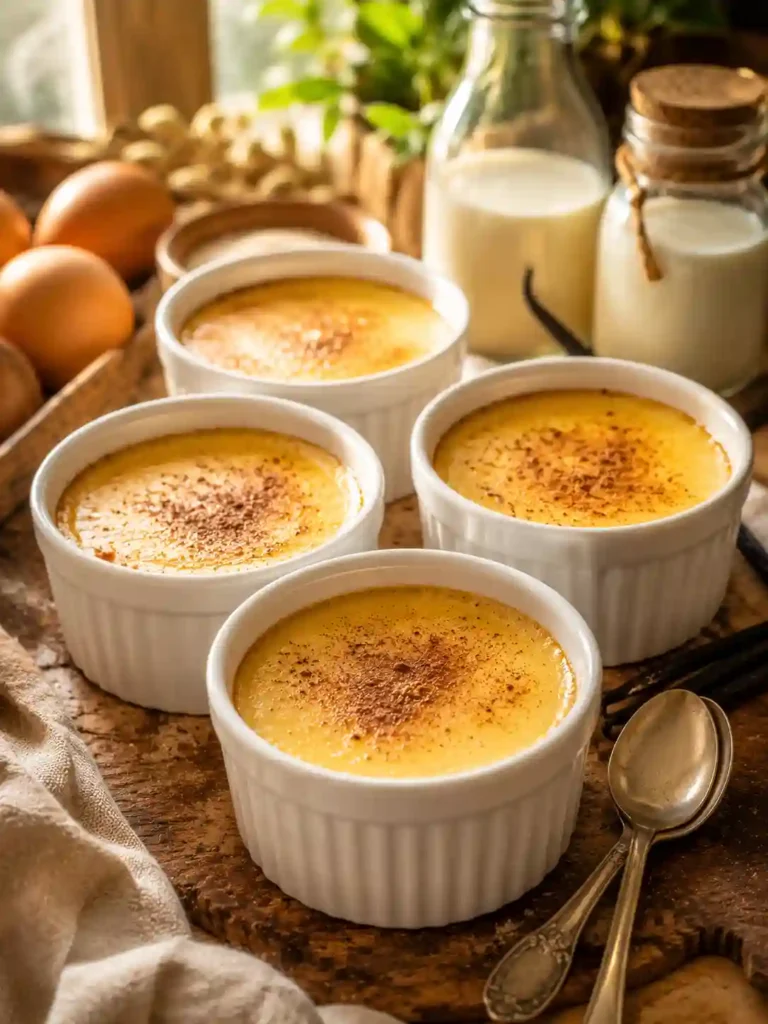
Have you ever wanted a dessert that feels warm, cozy, creamy, and comforting after a long day? You open the fridge hoping to find something sweet, but most desserts take too much work, cost too much money, or end up failing halfway through. That is where this creamy fail-proof egg custard recipe comes in.
This recipe is simple, soft, smooth, and almost impossible to mess up. You do not need fancy ingredients or baking skills. You only need a few basic kitchen staples and a little patience.
The best part? The texture turns out rich and silky every single time.
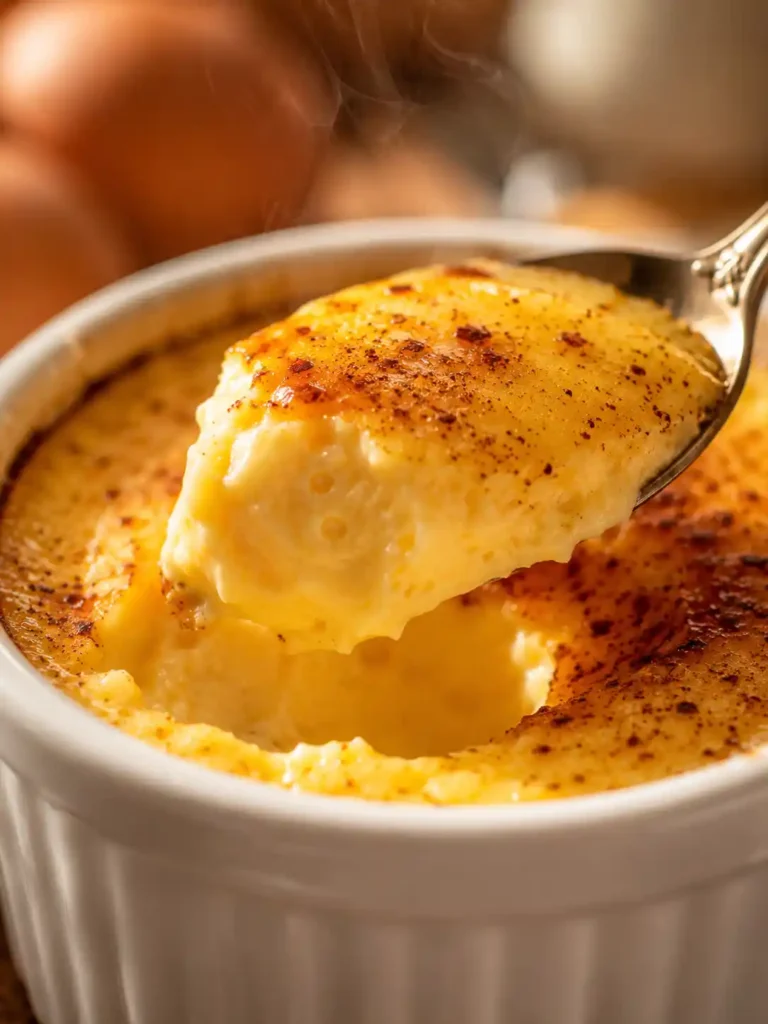
One spoonful feels creamy, light, and comforting all at once. It is the kind of dessert that reminds you of homemade family recipes and cozy weekends.
If your custard has ever turned watery, rubbery, or lumpy before, do not worry. This recipe fixes those problems with easy beginner-friendly steps.
Keep scrolling because a few small tricks in this recipe make a huge difference.
What Is This Recipe?
Egg custard is a soft and creamy dessert made with eggs, milk, sugar, and vanilla. When baked slowly and gently, the mixture turns into a silky dessert with a smooth texture that melts in your mouth.
This version is called fail-proof because the method is easy to follow and beginner-friendly. Instead of rushing the baking process, this recipe uses gentle heat and simple mixing techniques to help you get a perfect custard every time.
The flavor is light, sweet, creamy, and comforting. It is not too heavy and not too sugary. That is why so many people love it.
You can enjoy it warm right out of the oven or cold from the fridge. Some people even add cinnamon, nutmeg, caramel, or fresh fruit on top.
It is a classic dessert that never goes out of style.

Why You Will Love This Recipe
- This recipe uses simple ingredients you probably already have at home, which saves both time and money.
- The custard turns out smooth, creamy, and soft without needing complicated baking skills.
- It is perfect for beginners because the step-by-step method is easy to follow.
- You can serve it warm or chilled depending on your mood and the season.
- The texture feels rich and comforting while still being light enough for an everyday dessert.
- It works great for family dinners, holiday meals, or late-night sweet cravings.
- You can easily customize the flavor with cinnamon, nutmeg, caramel, or fruit toppings.
- This dessert stores well in the fridge, making it perfect for meal prep or make-ahead desserts.
- Egg custard is naturally budget-friendly because it uses affordable kitchen staples.
- It feels fancy and comforting at the same time without requiring expensive ingredients.
Here’s where most people get this wrong…
Many people bake custard at high heat because they want it done faster. That usually causes cracks, curdling, or a rubbery texture. Slow baking is the secret to silky custard.
Ingredients
- 4 large eggs Use room temperature eggs for the smoothest texture. Cold eggs can make the custard mixture harder to blend evenly.
- 2 cups whole milk Whole milk gives the custard a rich and creamy flavor. You can also use half-and-half for an even creamier result.
- 1/2 cup granulated sugar This adds sweetness without overpowering the delicate custard flavor.
- 1 teaspoon vanilla extract Vanilla gives the custard its warm bakery-style flavor. Pure vanilla extract works best.
- 1/4 teaspoon salt A tiny amount of salt balances the sweetness and makes the flavor taste richer.
- Ground nutmeg or cinnamon for topping These warm spices make the custard smell and taste cozy and comforting.
- Hot water for the baking dish This helps create gentle heat around the custard while baking. It keeps the texture silky and prevents cracking.
Helpful Tip: If you want a lighter version, you can use low-fat milk, but the custard may not taste as rich and creamy.
Another helpful tip is to strain the custard mixture before baking. This removes tiny egg bits and helps create a smoother final texture.
How To Make Creamy Fail-Proof Egg Custard
1. Prepare Your Baking Setup
Start by preheating your oven to 325°F. This lower temperature is very important because custard needs gentle heat to stay smooth and creamy. Place four ramekins or a medium baking dish inside a larger baking pan. This larger pan will later hold hot water, creating a warm water bath that protects the custard from overcooking.
Lightly grease the ramekins if needed. Set them aside while you prepare the custard mixture. Warm the milk slightly in a saucepan over low heat. Do not let it boil. Warm milk blends more smoothly with the eggs and helps prevent lumps.
While the milk warms, crack the eggs into a large bowl. Add the sugar and salt. Whisk slowly until the mixture looks pale and smooth. Avoid whisking too aggressively because too much air can create bubbles in the custard.
This small trick makes a huge difference…
Gentle mixing creates a silky custard instead of a foamy or airy texture.
2. Combine The Ingredients Carefully
Slowly pour the warm milk into the egg mixture while whisking gently. Add the milk little by little instead of all at once. This process is called tempering. It keeps the eggs from scrambling.
Once the milk is fully mixed in, stir in the vanilla extract. The mixture should look smooth, creamy, and pale yellow.
Now strain the custard through a fine mesh strainer into a large measuring cup or bowl. This step removes tiny cooked egg pieces and helps create an ultra-smooth texture.
Carefully pour the custard into the ramekins or baking dish. Leave a little space at the top because the custard will rise slightly while baking.
Sprinkle a tiny amount of nutmeg or cinnamon on top for extra flavor.
Place the baking pan on the oven rack. Carefully pour hot water into the larger pan until it reaches halfway up the sides of the ramekins.
The warm water creates gentle heat around the custard and helps it bake evenly.
3. Bake Slowly For The Perfect Texture
Bake the custard for about 40 to 50 minutes. The exact time depends on your oven and the size of your ramekins.
The custard is ready when the edges look set but the center still jiggles slightly when gently shaken. Do not wait until the center becomes fully firm because the custard continues cooking after leaving the oven.
If you overbake the custard, the texture can turn rubbery or grainy instead of silky.
Once baked, carefully remove the ramekins from the water bath. Let them cool for about 20 minutes at room temperature.
You can serve the custard warm for a cozy dessert or chill it in the fridge for a cold and refreshing treat.
The chilled version becomes even thicker, creamier, and smoother.
Before serving, you can top the custard with whipped cream, berries, caramel sauce, or extra cinnamon.
One spoonful should feel soft, creamy, rich, and silky.
Pro Tips
- Always use room temperature eggs because they blend more smoothly into the milk mixture and help prevent lumps.
- Warm the milk gently instead of boiling it. Boiling milk can cook the eggs too quickly and ruin the custard texture.
- Strain the mixture before baking for a smoother and more professional-looking custard.
- Bake the custard slowly at low heat. Fast baking causes cracks and curdled texture.
- Use a water bath every time. This keeps the heat gentle and prevents overcooking.
- Avoid overmixing because too much air creates bubbles and uneven texture.
- Remove the custard from the oven while the center still jiggles slightly. Carryover heat finishes the cooking.
- Chill the custard for a few hours if you want an even creamier texture.
- Add fresh vanilla bean for richer bakery-style flavor.
- Let the custard cool slowly instead of placing it directly into the fridge while hot.
Common Mistakes To Avoid
- Baking at high temperature causes the custard to crack and turn rubbery.
- Skipping the water bath often leads to uneven cooking and curdling.
- Pouring hot milk too quickly into the eggs can scramble them.
- Overbaking removes the soft creamy texture and makes the custard dry.
- Using cold eggs can create a less smooth mixture.
- Whisking too hard adds bubbles that stay on top after baking.
- Forgetting to strain the mixture may leave tiny egg pieces inside the custard.
- Adding too much sugar can overpower the delicate flavor.
- Using very thin milk may create a watery texture.
- Moving the ramekins too roughly after baking can break the soft custard texture.
- Cooling too quickly can sometimes cause shrinking or cracks.
- Baking without checking the jiggle test can easily lead to overcooking.
Variations And Customization Ideas
Now let’s make it even better…
- Add caramel sauce on top for a rich crème caramel flavor.
- Mix in cinnamon or nutmeg for a cozy holiday version.
- Add lemon zest for a fresh and bright flavor twist.
- Use coconut milk instead of regular milk for a tropical version.
- Make a high-protein version by adding an extra egg white.
- Add espresso powder for a light coffee flavor.
- Top with fresh berries or sliced bananas for extra freshness.
- Use brown sugar for a deeper caramel-like sweetness.
- Make mini custard cups for parties and holiday dessert trays.
- Add whipped cream and crushed cookies for a layered dessert version.
Serving Ideas
Serve this creamy egg custard warm after dinner for a comforting dessert.
Enjoy it chilled on hot summer days when you want something light and refreshing.
Top it with fresh strawberries, blueberries, or mango slices for a fruity twist.
Serve with coffee or tea during cozy afternoons.
Add caramel drizzle and whipped cream for a more elegant dessert presentation.
You can even enjoy it as a soft breakfast treat with fruit on the side.
Storage And Reheating
Store leftover custard in the fridge covered tightly with plastic wrap or in airtight containers.It stays fresh for about 3 to 4 days.
For the best texture, keep the custard chilled until serving time.
Do not freeze the custard because freezing can change the smooth creamy texture.

Creamy Fail-Proof Egg Custard Recipe You’ll Want Every Week
4
servings30
minutes40
minutes300
kcalIngredients
4 large eggs Use room temperature eggs for the smoothest texture. Cold eggs can make the custard mixture harder to blend evenly.
2 cups whole milk Whole milk gives the custard a rich and creamy flavor. You can also use half-and-half for an even creamier result.
1/2 cup granulated sugar This adds sweetness without overpowering the delicate custard flavor.
1 teaspoon vanilla extract Vanilla gives the custard its warm bakery-style flavor. Pure vanilla extract works best.
1/4 teaspoon salt A tiny amount of salt balances the sweetness and makes the flavor taste richer.
Ground nutmeg or cinnamon for topping These warm spices make the custard smell and taste cozy and comforting.
Hot water for the baking dish This helps create gentle heat around the custard while baking. It keeps the texture silky and prevents cracking.
Directions
- Prepare Your Baking Setup
Start by preheating your oven to 325°F. This lower temperature is very important because custard needs gentle heat to stay smooth and creamy. Place four ramekins or a medium baking dish inside a larger baking pan. This larger pan will later hold hot water, creating a warm water bath that protects the custard from overcooking.
Lightly grease the ramekins if needed. Set them aside while you prepare the custard mixture. Warm the milk slightly in a saucepan over low heat. Do not let it boil. Warm milk blends more smoothly with the eggs and helps prevent lumps.
While the milk warms, crack the eggs into a large bowl. Add the sugar and salt. Whisk slowly until the mixture looks pale and smooth. Avoid whisking too aggressively because too much air can create bubbles in the custard.
This small trick makes a huge difference…
Gentle mixing creates a silky custard instead of a foamy or airy texture. - Combine The Ingredients Carefully
Slowly pour the warm milk into the egg mixture while whisking gently. Add the milk little by little instead of all at once. This process is called tempering. It keeps the eggs from scrambling.
Once the milk is fully mixed in, stir in the vanilla extract. The mixture should look smooth, creamy, and pale yellow.
Now strain the custard through a fine mesh strainer into a large measuring cup or bowl. This step removes tiny cooked egg pieces and helps create an ultra-smooth texture.
Carefully pour the custard into the ramekins or baking dish. Leave a little space at the top because the custard will rise slightly while baking.
Sprinkle a tiny amount of nutmeg or cinnamon on top for extra flavor.
Place the baking pan on the oven rack. Carefully pour hot water into the larger pan until it reaches halfway up the sides of the ramekins.
The warm water creates gentle heat around the custard and helps it bake evenly. - Bake Slowly For The Perfect Texture
Bake the custard for about 40 to 50 minutes. The exact time depends on your oven and the size of your ramekins.
The custard is ready when the edges look set but the center still jiggles slightly when gently shaken. Do not wait until the center becomes fully firm because the custard continues cooking after leaving the oven.
If you overbake the custard, the texture can turn rubbery or grainy instead of silky.
Once baked, carefully remove the ramekins from the water bath. Let them cool for about 20 minutes at room temperature.
You can serve the custard warm for a cozy dessert or chill it in the fridge for a cold and refreshing treat.
The chilled version becomes even thicker, creamier, and smoother.
Before serving, you can top the custard with whipped cream, berries, caramel sauce, or extra cinnamon.
One spoonful should feel soft, creamy, rich, and silky.
Notes
- Always use room temperature eggs because they blend more smoothly into the milk mixture and help prevent lumps.
- Warm the milk gently instead of boiling it. Boiling milk can cook the eggs too quickly and ruin the custard texture.
About